

Seven new food ingredients, including peony seed oil and tight Fusarium protein, have been approved. Announcement on the approval of 16 "three new foods", including peony seed oil!
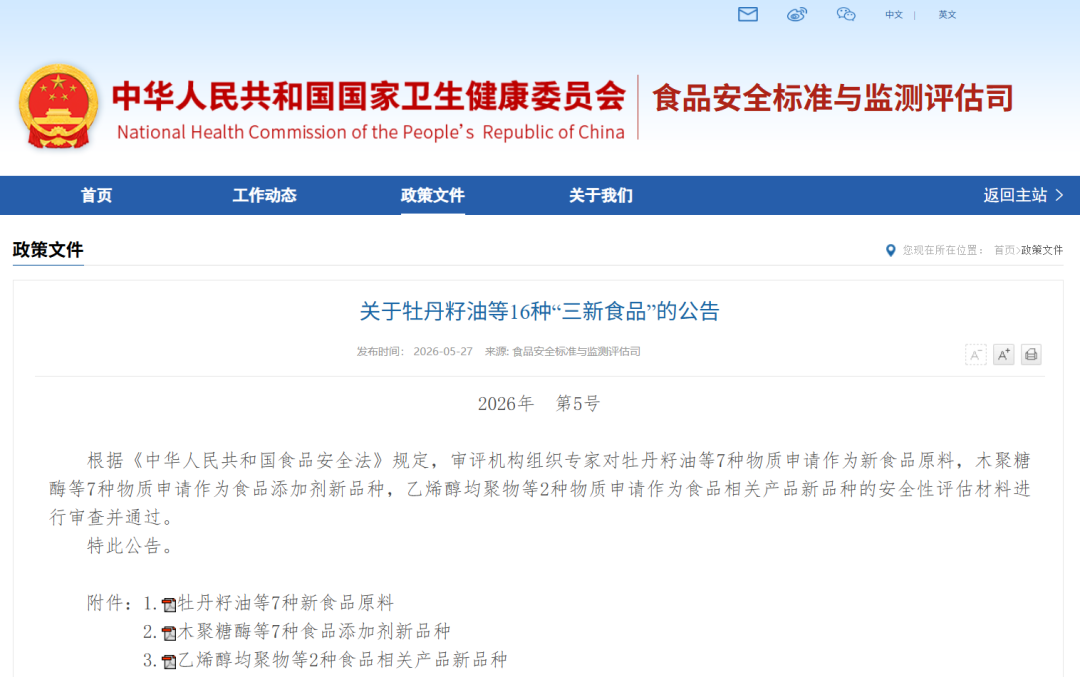
The Food Safety Standards and Monitoring Evaluation Department of the National Health Commission issued a notice on May 27, 2026, regarding 16 "three new foods" including peony seed oil, including 7 new food ingredients, 7 new varieties of food additives, and 2 new varieties of food related products.
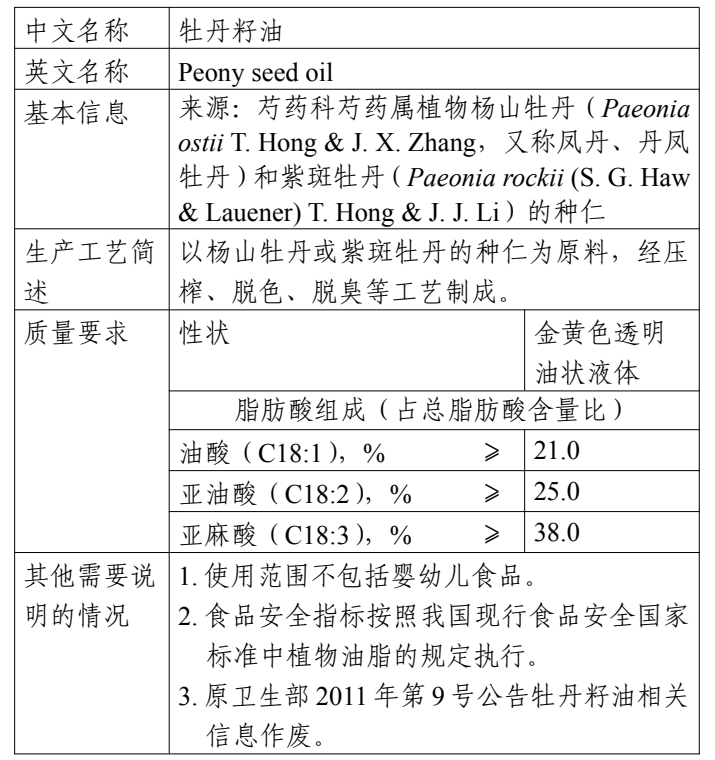
1. Peony Seed Oil
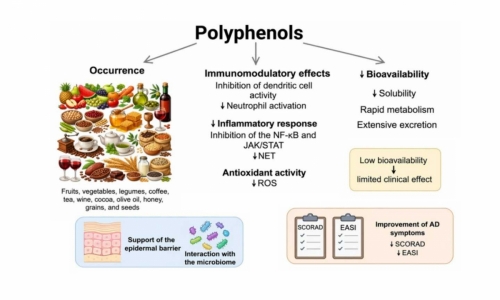
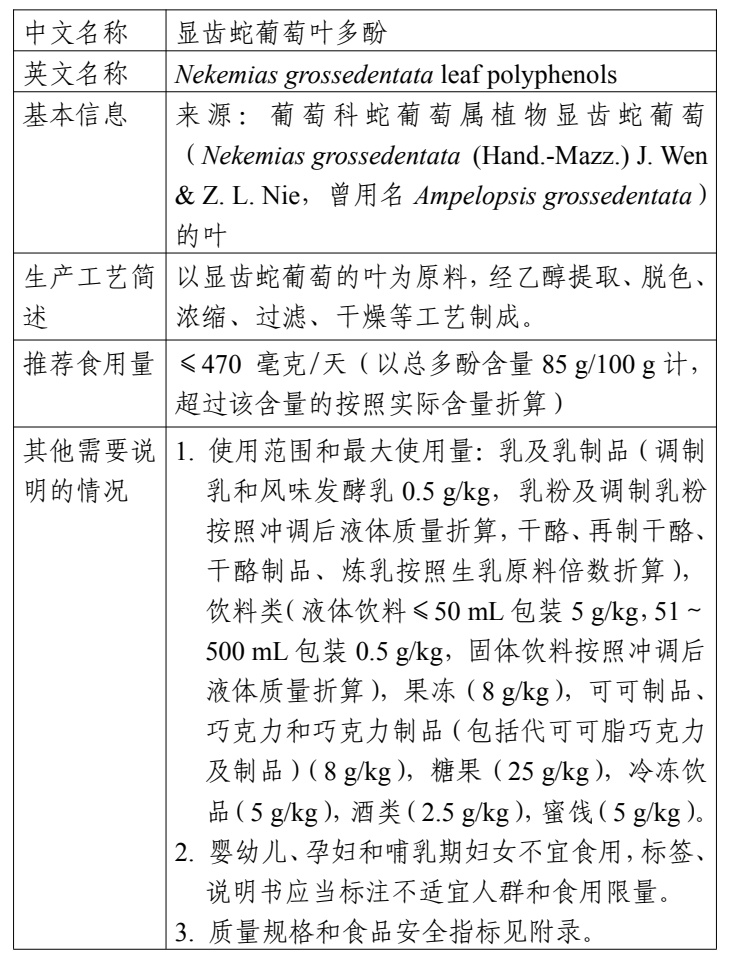
2. Polyphenols from the grape leaves of the toothed snake
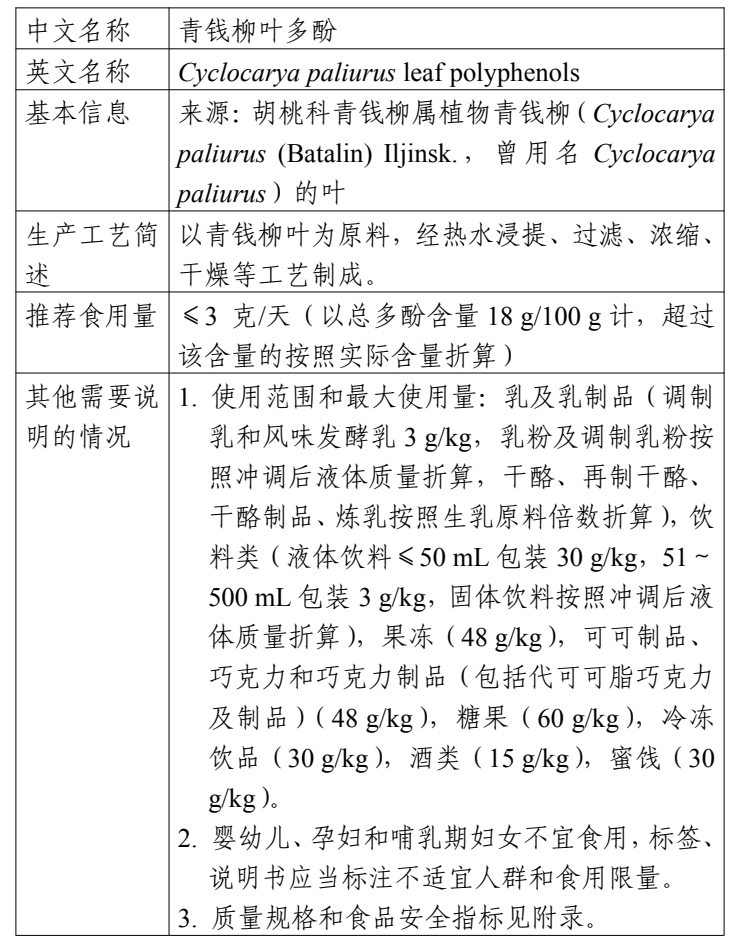
3. Polyphenols from Qingqian Willow Leaves
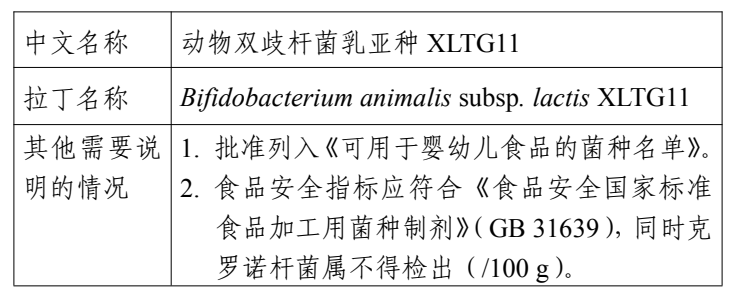
4. Animal Bifidobacterium lactis subspecies XLTG11
5. Fusarium tight protein
6. Chlorella pyrenoidosa
7. Plant sterols
1. New varieties of enzyme preparations for food industry
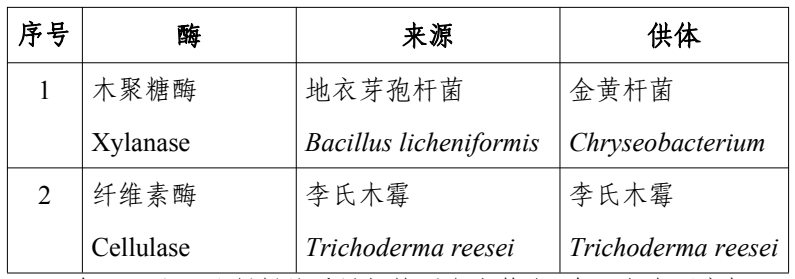
The quality specifications of enzyme preparations used in the food industry should comply with the provisions of the National Food Safety Standard for Food Additives - Enzyme Preparations for Food Industry (GB 1886.174).
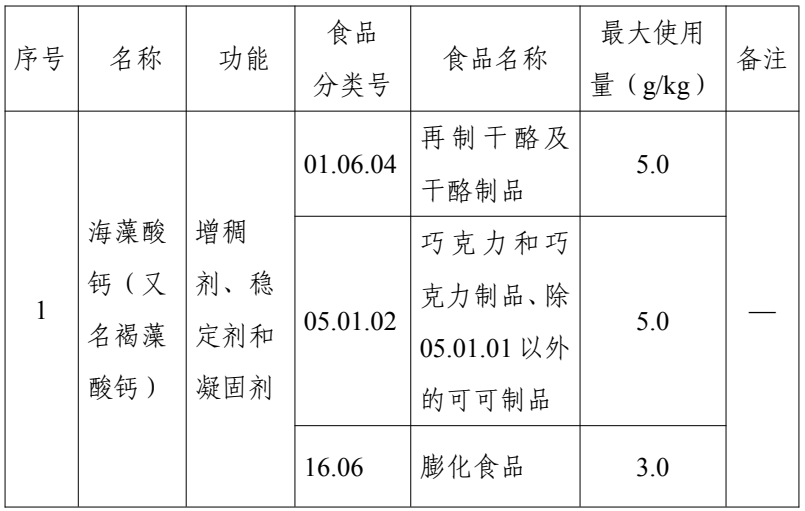
2. Expanding the scope of use of food additives
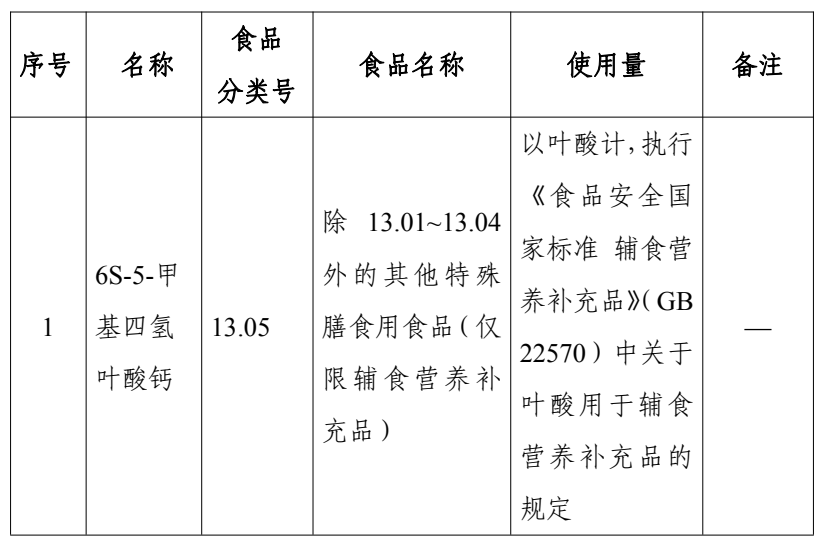
3. Expanding the scope of use of food nutrition fortifiers
4. Food additives with additional quality specification requirements
(1) Food nutrition fortifier 2 '- fucosyl lactose
The quality specifications of this substance shall be implemented in accordance with the Announcement No. 8 of 2023 of the National Health Commission (excluding the information on the production bacteria used for producing 2 '- fucosyl lactose in Appendix C). The production bacteria information of the new variety of nutritional fortifier is shown in the table below.
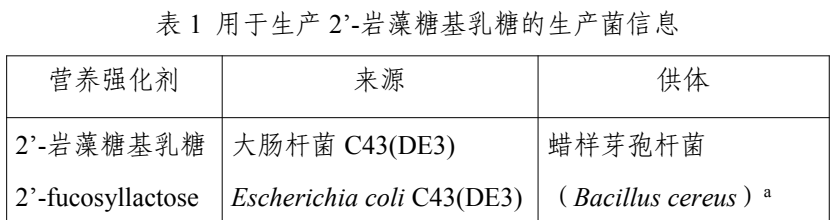

A is the donor of α -1,2-fucosyltransferase
(2) Food Nutritional Fortifier 3 '- Sodium Salivary Lactose
The quality specifications of this substance are required to be implemented in accordance with Announcement No. 1 of the National Health Commission in 2026 (excluding the information on the production bacteria used for producing 3 '- sialic acid lactose sodium salt in Appendix A). The production bacteria information for this new variety of nutritional fortifier is shown in the table below.
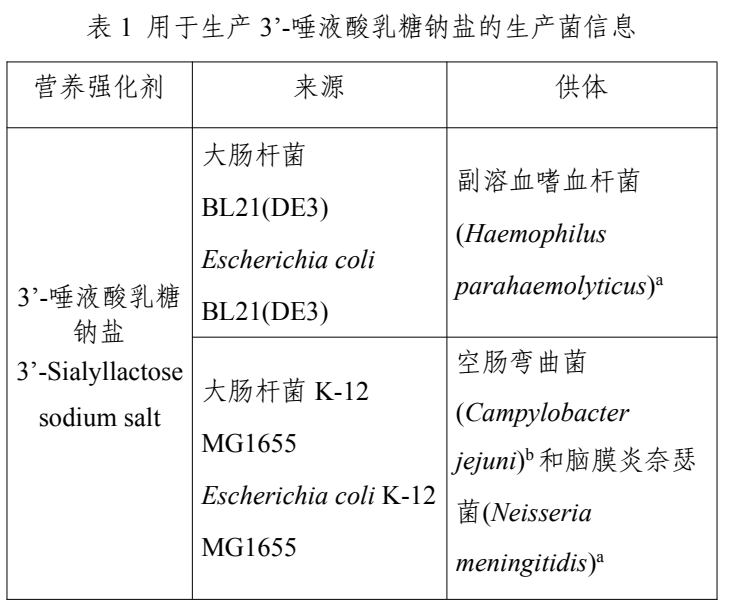
A is the donor of alpha-2,3-sialyltransferase
B is N-acetylneuraminic acid synthase, N-acetylglucosamine 2-directional isomerase
Cytosine 5 '- monophosphate N-acetylneuraminic acid synthase donor
(3)Food additive Lactose-N-tetraose
The quality specifications of this substance are required to be implemented in accordance with Announcement No. 8 of the National Health Commission in 2023 (excluding the information on the production bacteria used for lactose N-neotetrasaccharide in Appendix D). The production bacteria information for this new variety of nutritional fortifier is shown in the table below.
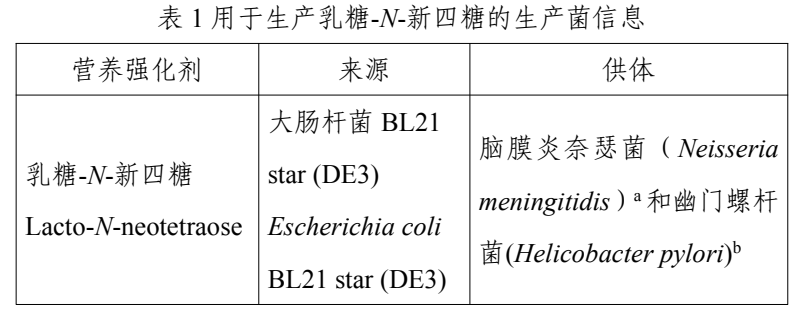
A is the donor of β -1,3-N-acetylglucosamine transferase
B is a donor of β -1,4-galactosyltransferase
1. Expanding the scope/amount of resin used in food contact materials and products
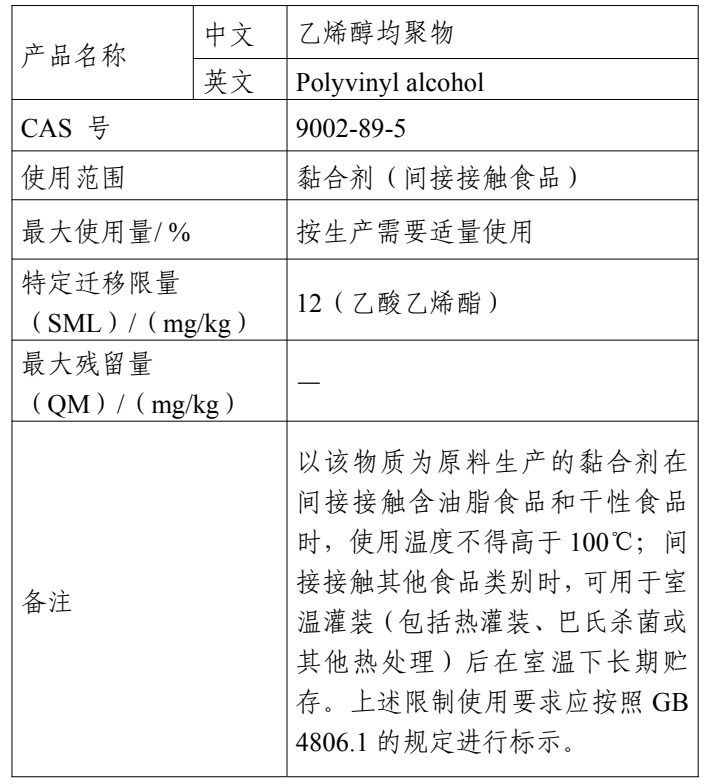
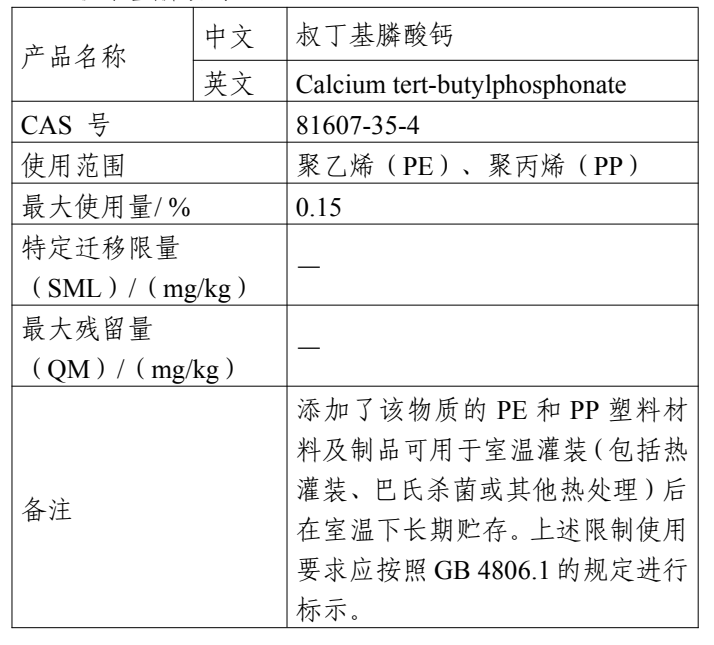
2. New varieties of additives for food contact materials and products
Interpretation of the Announcement on 16 "Three New Foods" including Peony Seed Oil (No. 5 of 2026)
1、 Interpretation materials for new food ingredients
(1) Peony Seed Oil
Peony seed oil is made from the seeds of Paeoniaostii T. Hong&J.X. Zhang, also known as Fengdan or Danfeng Peony, and Paeoniaorockii (S.G. Haw&Lauener) T. Hong&J.J. Li, which belong to the Paeoniaceae family and the Paeoniaceae family. The seeds are processed through pressing, decolorization, deodorization, and other techniques. Peonies are widely planted in regions such as Shandong, Henan, and Shaanxi in China. Peony seed oil is rich in unsaturated fatty acids, mainly including oleic acid, linoleic acid, and linolenic acid, and contains small amounts of plant sterols, squalene, and unsaponifiable substances. China approved peony seed oil as a new food ingredient in 2011. According to the latest data from "Flora of China" and other sources, the original announcement's source plants Paeoniaostii T. HongetJ. X. Zhang and Paeoniaostii T. Hong&J. X. Zhang have been modified to Yangshan Peony (Paeoniaostii T. Hong&J. X. Zhang, also known as Fengdan and Danfeng Peony) and Paeoniaostii (S.G. Haw&Lauener) T. Hong&J.J. Li), and based on actual safety consumption survey data, the requirement of ≤ 10 grams/day for consumption in the original announcement has been cancelled. Considering the principle of risk prevention, the scope of use of this product does not include infant and toddler food. The food safety indicators of this raw material shall be implemented in accordance with the provisions of vegetable oils and fats in the current national food safety standards in China.
(2) Polyphenols from the grape leaves of the toothed snake
Polyphenols from the leaves of Nekemiasgrosedentata (Hand. Mazz.) J.Wen&Z.L. Nie, formerly known as Ampelopsis grosedentata, are extracted from the leaves of Nekemiasgrosedentata plants in the family Vitaceae, and processed through ethanol extraction, decolorization, concentration, filtration, and drying. In 2013, China approved Ampelopsis Grossedentata (formerly known as Ampelopsis Grossedentata in Latin, now revised to Nekemias Grossedentata (Hand. Mazz.) J.Wen&Z.L. Nie) as a new food ingredient, which can be consumed by brewing. The main components of the polyphenols in the leaves of this declared product are polyphenolic substances such as dihydromyricetin (with a content of ≥ 85%), and contain small amounts of protein and fat. The recommended daily intake is ≤ 470 milligrams (calculated based on a total polyphenol content of 85g/100g, and any content exceeding this limit will be calculated based on the actual content). When consuming raw materials containing other polyphenolic substances, attention should be paid to the total daily intake. Considering the insufficient safety data on the consumption of polyphenols from the grape leaves of the snake in infants, pregnant women, and lactating women, and based on the principle of risk prevention, the above-mentioned populations should not consume them. The food safety indicators of this raw material shall be implemented in accordance with the announcement, and the supporting reference inspection methods can be found in the "Three New Foods" column on the official website of the National Food Safety Risk Assessment Center.
(3) Polyphenols from Qingqian Willow Leaves
Polyphenols from Cyclocarya paliurus (Batalin) Iljinsk., formerly known as Cyclocarya paliurus, are made from the leaves of the walnut family's Cyclocarya paliurus genus through processes such as hot water extraction, filtration, concentration, and drying. In 2013, China approved Cyclocarya paliurus (formerly known as Cyclocarya paliurus in Latin, now revised to Cyclocarya paliurus (Batalin) Iljinsk according to the Flora of China) as a new food ingredient, which can be consumed by brewing. This declared product contains polyphenols such as gallic acid in the leaves of Qingqianliu. The recommended daily consumption amount is ≤ 3 grams (calculated based on a total polyphenol content of 18g/100g, and any content exceeding this limit will be calculated based on the actual content). When consuming raw materials containing other polyphenolic substances, attention should be paid to the total daily intake. Considering the insufficient safety data on the consumption of polyphenols from Qingqian willow leaves in infants, pregnant women, and lactating women, and based on the principle of risk prevention, the above-mentioned populations should not consume them. The food safety indicators of this raw material shall be implemented in accordance with the announcement, and the supporting reference inspection methods can be found in the "Three New Foods" column on the official website of the National Food Safety Risk Assessment Center.
(4) Animal Bifidobacterium lactis subspecies XLTG11
Bifidobacterium animalis subsp. lactisXLTG11 belongs to the genus Bifidobacterium and is isolated from the intestines of healthy children. This approval is included in the "List of Fungi that can be used for infant and toddler food", which can be used for direct consumption in food. The food safety indicators of this raw material shall be implemented in accordance with the announcement regulations. The subspecies of Bifidobacterium lactis has been included in the recommended microbial list of China's "List of Fungi that can be used for food" and the European Food Safety Authority's Qualification Certification (QPS) list.
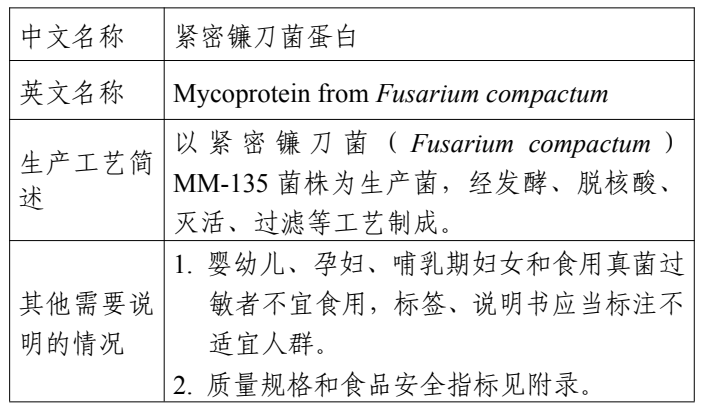
(5) Fusarium tight protein
Fusarium compactum protein is produced by the Fusarium compactum MM-135 strain through fermentation, nucleic acid removal, inactivation, filtration, and other processes. Its main nutritional components are protein (≥ 50.0g/100g, on a dry basis) and dietary fiber. Fusarium compactum is a fungus belonging to the genus Fusarium in the family Fusarium. Considering the insufficient safety data on the consumption of Fusarium graminearum protein in infants, pregnant women, and lactating women, and based on the principle of risk prevention, the above-mentioned populations should not consume it, and those with fungal allergies should also not consume it. The food safety indicators of this raw material shall be implemented in accordance with the announcement, and the supporting reference inspection methods can be found in the "Three New Foods" column on the official website of the National Food Safety Risk Assessment Center. Fusarium graminearum protein is managed as a Generally Recognized Safe Substance (GRAS) in the United States.
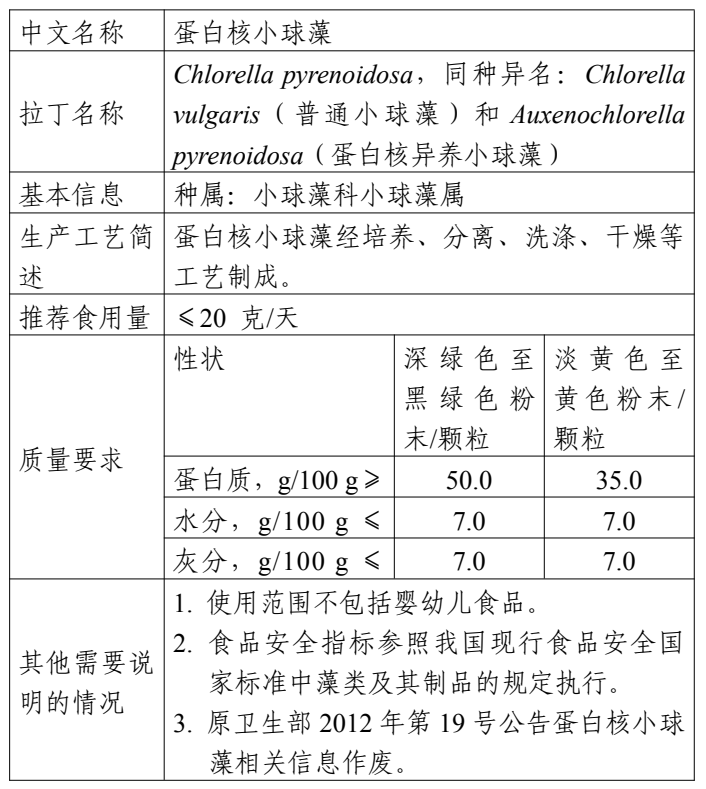
(6) Chlorella pyrenoidosa
Chlorella pyrenoidosa is a type of algae that belongs to the Chlorella family and the Chlorella genus. Its Latin name is Chlorella pyrenoidosa, and its synonyms include Chlorella vulgaris and Auxenococcus pyrenoidosa. Alternatively, yellow Chlorella pyrenoidosa can be obtained through physical mutagenesis screening. The main nutritional component of Chlorella pyrenoidosa is protein. China approved Chlorella pyrenoidosa as a new food ingredient in 2012. Its characteristics are dark green to dark green powder, protein ≥ 58g/100g, moisture ≤ 5g/100g, and ash ≤ 5g/100g. On the basis of this product application, taking into account the actual research situation and development needs of the industry, as well as changes in algal taxonomy and new data verification, the Latin name, species, production process, and quality requirements of Chlorella pyrenoidosa have been updated and re announced. Considering the principle of risk prevention, the scope of use of this product does not include infant and toddler food. The food safety indicators of this raw material shall be implemented in accordance with the provisions of algae and its products in the current national food safety standards in China. The European Union and Japan allow Chlorella pyrenoidosa as a food ingredient.
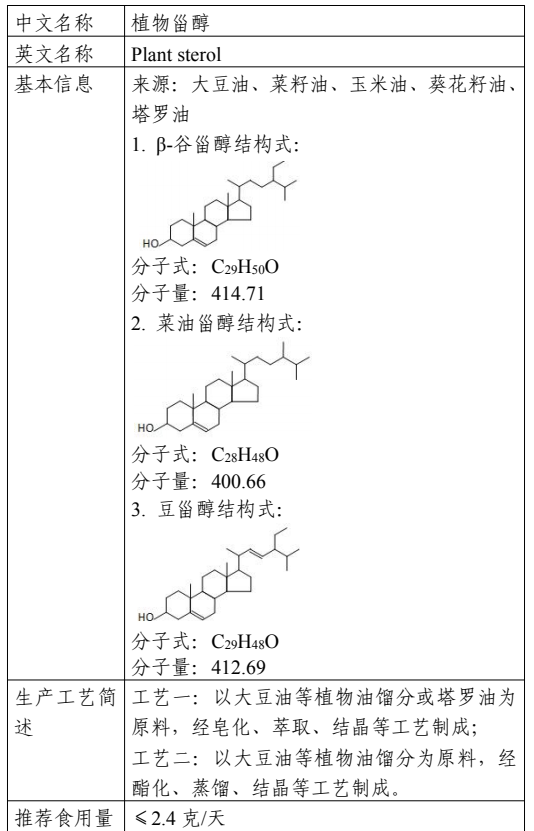
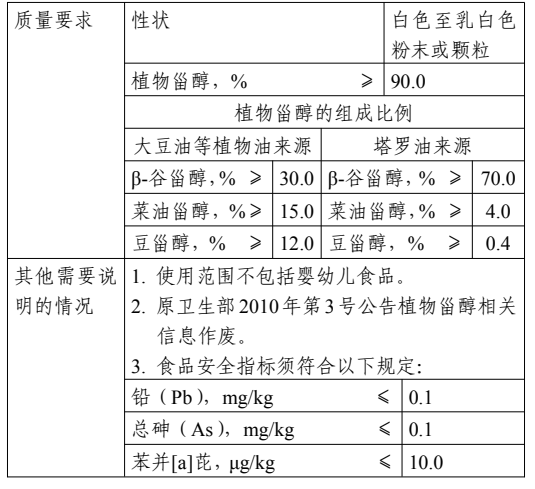
(7) Plant sterols
Phytosterols are a class of natural compounds found in plants, mainly present in foods such as vegetable oils, nuts, and grains. This product is made from soybean oil, rapeseed oil, corn oil, sunflower seed oil, and tarot oil through processes such as saponification, extraction, and crystallization; Or it can be made from soybean oil, rapeseed oil, corn oil, sunflower seed oil as raw materials through esterification, distillation, crystallization and other processes. The main sterol components of this declared product are β - sitosterol, brassinosteroid, and stigmasterol. China approved plant sterols as new food raw materials in 2010. They are white powders or granules produced from vegetable oil fractions such as soybean oil or tarot oil through processes such as saponification, extraction, and crystallization. β - sitosterol is ≥ 30.0%, rapeseed sterols are ≥ 15.0%, and soybean sterols are ≥ 12.0%. New production processes and characteristics have been added to the declared product, taking into account the actual research situation and development needs of the industry. Based on new data, the composition ratio of plant sterols from tarot oil sources has been adjusted and re announced. Considering the principle of risk prevention, the scope of use of this product does not include infant and toddler food. The food safety indicators of this raw material shall be implemented in accordance with the announcement regulations. Phytosterols are managed as Generally Recognized as Safe Substances (GRAS) in the United States; The European Union, Australia, and New Zealand have approved it as a new food ingredient.
2、 Interpretation materials for new varieties of food additives
(1) Xylanase
Xylanase, as an enzyme preparation for the food industry, has been included in the National Food Safety Standard for the Use of Food Additives (GB2760). The xylanase announced in this announcement is a new type of enzyme preparation for the food industry derived from newly produced bacteria, mainly used to catalyze the hydrolysis of xylan, such as in grain processing. After safety assessment, according to the principles for the use of processing aids in the food industry stipulated in the "National Food Safety Standard for the Use of Food Additives" (GB2760), xylanase can be safely used in the food production and processing process, and its quality specifications comply with the "National Food Safety Standard for Food Additives - Enzyme Preparations for Food Industry" (GB1886.174). The French Food Safety Authority, Danish Veterinary and Food Agency, and others allow its use as an enzyme preparation for the food industry.
(2) Cellulase enzyme
Cellulase, as an enzyme preparation used in the food industry, has been included in the "National Food Safety Standard for the Use of Food Additives" (GB2760). The cellulase enzyme announced in this announcement is a new type of enzyme preparation for the food industry derived from newly produced bacteria, mainly used to catalyze the hydrolysis of cellulose, such as in grain processing. After safety assessment, according to the principles for the use of processing aids in the food industry stipulated in the "National Food Safety Standard for the Use of Food Additives" (GB2760), cellulase can be safely used in the food production and processing process, and its quality specifications comply with the "National Food Safety Standard for Food Additives - Enzyme Preparations for Food Industry" (GB1886.174). The French Food Safety Authority, Danish Veterinary and Food Agency, and others allow its use as an enzyme preparation for the food industry.
(3) Calcium alginate (also known as alginate)
Calcium alginate, as a thickener, stabilizer, and coagulant, has been included in the "National Food Safety Standard for the Use of Food Additives" (GB2760) and is allowed to be used in food categories such as wheat flour products and bread. This announcement expands the scope of use for reconstituted cheese and cheese products (food category 01.06.04), chocolate and chocolate products, cocoa products other than 05.01.01 (food category 05.01.02), and puffed foods (food category 16.06) to improve the sensory quality of products. After safety assessment, calcium alginate can be safely used in the above food categories, and its quality specifications comply with the "National Food Safety Standard for Food Additives - Calcium Alginate (also known as Calcium Alginate)" (GB1886.308). According to the evaluation results of the Joint Expert Committee on Food Additives of the Food and Agriculture Organization of the United Nations/World Health Organization, there is no specific regulation on the daily allowable intake of calcium alginate. The International Food and Drug Commission, the United States Food and Drug Administration, the European Commission, the Japanese Ministry of Health, Labour and Welfare, and others allow its use in food categories such as processed cheese, cocoa, and chocolate products.
(4) 6S-5-Methyltetrahydrofolate calcium
According to the National Food Safety Standard for Complementary Nutritional Supplements (GB22570), folic acid is a nutrient that can be optionally added to complementary nutritional supplements. The National Health Commission (formerly known as the National Health and Family Planning Commission) approved the use of 6S-5-methyltetrahydrofolate calcium, a new variety of food nutrition fortifier, as a source of folate compound for the preparation of milk powder, solid beverages, special medical formula foods (excluding the varieties mentioned in 13.01) and other food categories in 2017, through Announcement No. 13 and related announcements. This announcement expands the scope of use to other special dietary foods (limited to complementary foods and nutritional supplements) (food category 13.05) except for 13.01-13.04, to enhance the folate content in fortified foods. After safety assessment, 6S-5-methyltetrahydrofolate calcium can be safely used in complementary food nutritional supplements, and its quality specifications are implemented in accordance with the relevant content of Announcement No. 13 of the National Health Commission (formerly the National Health and Family Planning Commission) in 2017. The US Food and Drug Administration, European Commission, Australian and New Zealand Food Standards Agency, and others allow its use in food.
(5) 2 '- fucosyl lactose
2 '- fucosyl lactose, as a food nutrition enhancer, has been included in the National Health Commission's Announcement No. 8 of 2023 and related announcements, allowing its use in the preparation of milk powder (limited to children's milk powder), infant formula, older and toddler formula, special medical use infant formula, and infant and toddler auxiliary food. The 2 '- fucosyl lactose announced this time is a new variety of nutritional fortifier derived from newly produced bacteria. 2 '- fucosyllactose is a major milk oligosaccharide in breast milk, used as a nutritional enhancer in food. After safety assessment, the 2 '- fucosyl lactose produced by its production bacteria can be safely used according to the scope and dosage specified in the relevant announcement, and its quality specifications are implemented in accordance with the relevant requirements of the announcement. The US Food and Drug Administration, European Commission, Australian and New Zealand Food Standards Agency, and others allow the use of 2 '- fucosyl lactose in food categories such as infant formula.
(6) 3 '- Sodium Salt of Salivary Lactose
3 '- Sodium sialyllactulose has been listed as a food nutrition fortifier in the first announcement of the National Health Commission in 2026, and is allowed to be used to prepare milk powder (limited to children's milk powder), infant formula, formula for older infants and young children, and formula for special medical purposes. The 3 '- sialic acid lactose sodium salt announced this time is a new variety of nutritional fortifier derived from newly produced bacteria. 3 '- Salivary lactulose sodium salt is a milk oligosaccharide in breast milk, used as a food nutrient fortifier. After safety assessment, the 3 '- sialic acid lactose sodium salt produced by its production bacteria can be safely used according to the scope and dosage specified in the relevant announcement, and its quality specifications are implemented in accordance with the relevant requirements of the announcement. The US Food and Drug Administration, European Commission, Australian and New Zealand Food Standards Agency, and others allow the use of 3 '- sodium sialyllactulose in food categories such as infant formula.
(7) Lactose-N-tetraose
Lactose-N-tetraose, as a food nutrition fortifier, has been included in the National Health Commission's Announcement No. 8 of 2023 and related announcements, allowing its use in the preparation of milk powder (limited to children's milk powder), infant formula, formula for older infants and young children, and formula for special medical purposes. The lactose N-neotetrasaccharide announced this time is a new variety of nutritional fortifier derived from newly produced bacteria. Lactose-N-tetraose is a major milk oligosaccharide in breast milk, used as a food nutrient fortifier. After safety assessment, the lactose N-neotetrasaccharide produced by the production strain can be safely used according to the scope and dosage specified in the relevant announcement, and its quality specifications are implemented in accordance with the relevant requirements of the announcement. The US Food and Drug Administration, European Commission, Australian and New Zealand Food Standards Agency, and others allow the use of Lactose-N-N-tetraose in food categories such as infant formula.
3、 Interpretation materials for new varieties of food related products
(1) Ethylene glycol homopolymer
The national standard for food safety, Adhesive for Food Contact Materials and Products (GB4806.15-2024), has approved this substance as a basic raw material for indirect contact with food adhesives. It is required that the materials or products produced should only be used for contact with oils and dry foods with low moisture content, and the use temperature should not exceed 100 ℃. This announcement approves the expansion of its scope of use to adhesives that indirectly come into contact with all food categories, and can be used for long-term storage at room temperature after room temperature filling (including hot filling, pasteurization, or other heat treatments). This substance can be used as a composite food packaging material to bond different materials together. After safety assessment, the adhesive produced from this substance should not be used at a temperature higher than 100 ℃ when in indirect contact with oily and dry foods; When indirectly exposed to other food categories and stored at room temperature for a long time after filling (including hot filling, pasteurization, or other heat treatments), it can be safely used by all populations. Other usage requirements shall be implemented in accordance with the provisions of the announcement. Both the US Food and Drug Administration and the Japanese Ministry of Health, Labour and Welfare allow the use of this substance as an adhesive for food contact materials and products.
(2) Calcium tert butylphosphonic acid
This announcement approves calcium tert butylphosphonic acid as a new additive for polyethylene (PE) and polypropylene (PP) plastic materials and products used in food contact. This substance can enhance the mechanical, optical, and barrier properties of PE and PP materials. After safety assessment, PE and PP plastic materials and products containing this substance can be safely used by all individuals when stored at room temperature for a long time after being filled at room temperature (including hot filling, pasteurization, or other heat treatments). Other usage requirements shall be implemented in accordance with the provisions of the announcement. Both the US Food and Drug Administration and Health Canada allow the use of this substance in PE and PP plastic materials and products for food contact.
Article source: National Health Commission
Online hours: 9:00-17:30
Building 3, High tech Entrepreneurship Service Center, No. 82 Huayuan West Road, Chuzhou City, Anhui Province

Technical Consulting

Customer Service Inquiry
COPYRIGHT © Anhui Cranberry Hea-Tech Co.,Ltd. ALL RIGHTS RESERVED
Power By:Mingtu Network
address:Building 3, High tech Entrepreneurship Service Center, No. 82 Huayuan West Road, Chuzhou City, Anhui Province
mailbox:sales@ffingredients.cn