


Phyllanthus emblica L. (commonly known as Indian blackcurrant) is a short-lived tree belonging to the Euphorbiaceae family. The fruit of Indian blackcurrant is edible and mainly distributed in India, Southeast Asia, China, Iran, and Pakistan. Yuganzi fruit is one of the most popular plants, widely used in the pharmaceutical, cooking, and cosmetics industries. According to ancient Indian mythology, this is the first tree "born in the universe". It is a great nutritional supplement with multiple medicinal values. Due to its high content of phenolic compounds, the fruit of Eucommia ulmoides can be considered a natural source of antioxidants, nutritional supplements, or medicinal ingredients. Consumers like Yuganzi fruit because of its unique flavor and pleasant aroma. In various animal and human studies, Yuganzi has been proven to have anti hyperglycemic, hypoglycemic, anti-inflammatory, anti hyperlipidemic, and antioxidant activities. Yuganzi is rich in antioxidants, such as gallic acid< svg width="10px" height="10px" viewbox="0 0 16 16" class="ZDI ZDI--FourPointedStar16 css-1dvsrp" fill="currentColor"></svg>、 Ascorbic acid and phenolic compounds contribute to the human immune and digestive systems.
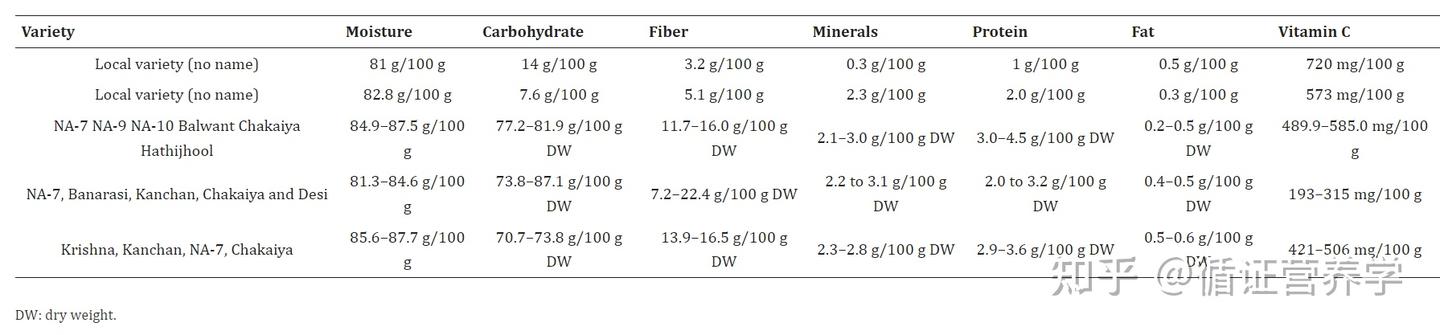
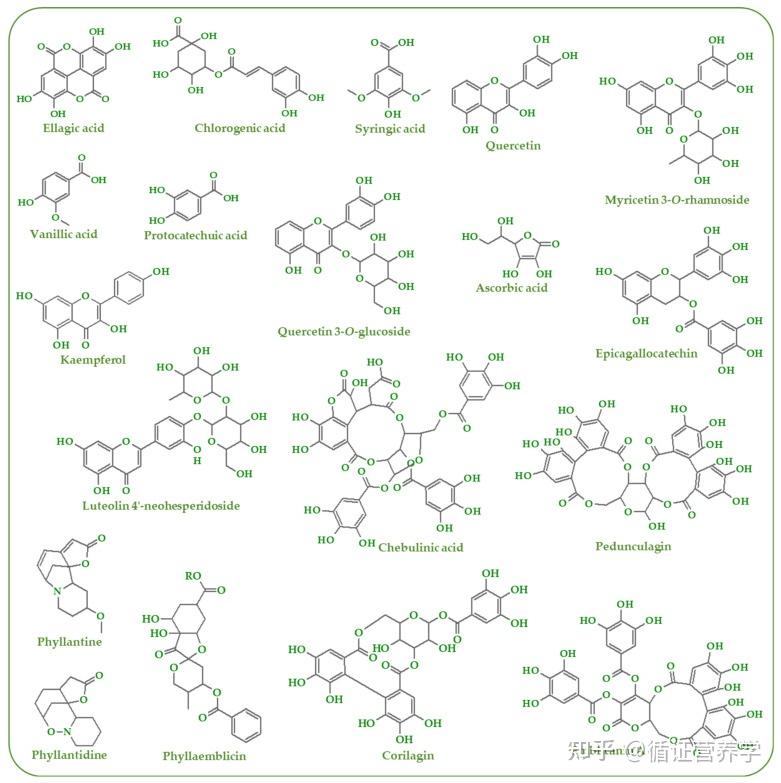
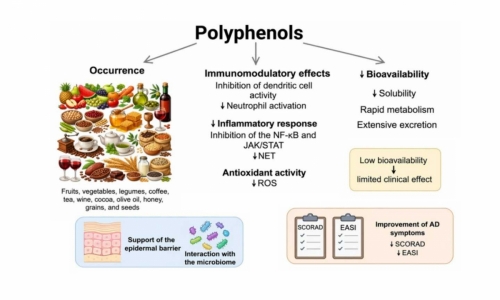
Research has found that citrus fruits contain abundant phytochemicals, distributed in different parts of the plant (fruit, leaves, and roots). Polyphenols (Figure 1) constitute the main secondary metabolites, including phenolic acids and flavonoids< svg width="10px" height="10px" viewbox="0 0 16 16" class="ZDI ZDI--FourPointedStar16 css-1dvsrp" fill="currentColor"></svg>、 Several compounds of tannins, other phenolic compounds, and derived compounds have been reported in different studies.
1. Antioxidant/anti-inflammatory activity
Multiple in vitro, in vivo, and in vivo studies have supported the antioxidant activity of the components in Phyllanthus edulis. In vitro studies have shown that the polyphenol content in this fruit is also associated with high antioxidant activity, especially the ability to scavenge free radicals such as 1,1-diphenyl-2-picrylhydrazine (DPPH) free radicals. Other studies have also reported the use of 2,2 '- diazobis (3-ethylbenzothiazole-6-sulfonic acid) (ABTS) and NO radical scavenging, trivalent iron reduction antioxidant capacity (FRAP), and LDL oxidation< svg width="10px" height="10px" viewbox="0 0 16 16" class="ZDI ZDI--FourPointedStar16 css-1dvsrp" fill="currentColor"></svg> Determination method to detect the antioxidant activity of chemical substances in gooseberry plants. In addition, blackcurrant polyphenols can also scavenge superoxide anions and hydroxyl radicals, as well as chelate iron (III).
The antioxidant activity observed from extracts and isolated compounds of blackcurrant fruit using chemical methods has also been observed in more complex biological systems, including cells, animals, and clinical trials (Table 2). The antioxidant defense system plays an important role in protecting the body from oxidative damage. This system consists of non enzymatic compounds (glutathione; GSH) and enzymes (such as catalase)< svg width="10px" height="10px" viewbox="0 0 16 16" class="ZDI ZDI--FourPointedStar16 css-1dvsrp" fill="currentColor"></svg>(CAT)、GSH Reductase, glutathione peroxidase< svg width="10px" height="10px" viewbox="0 0 16 16" class="ZDI ZDI--FourPointedStar16 css-1dvsrp" fill="currentColor"></svg>(GPx) Composed of superoxide dismutase (SOD).
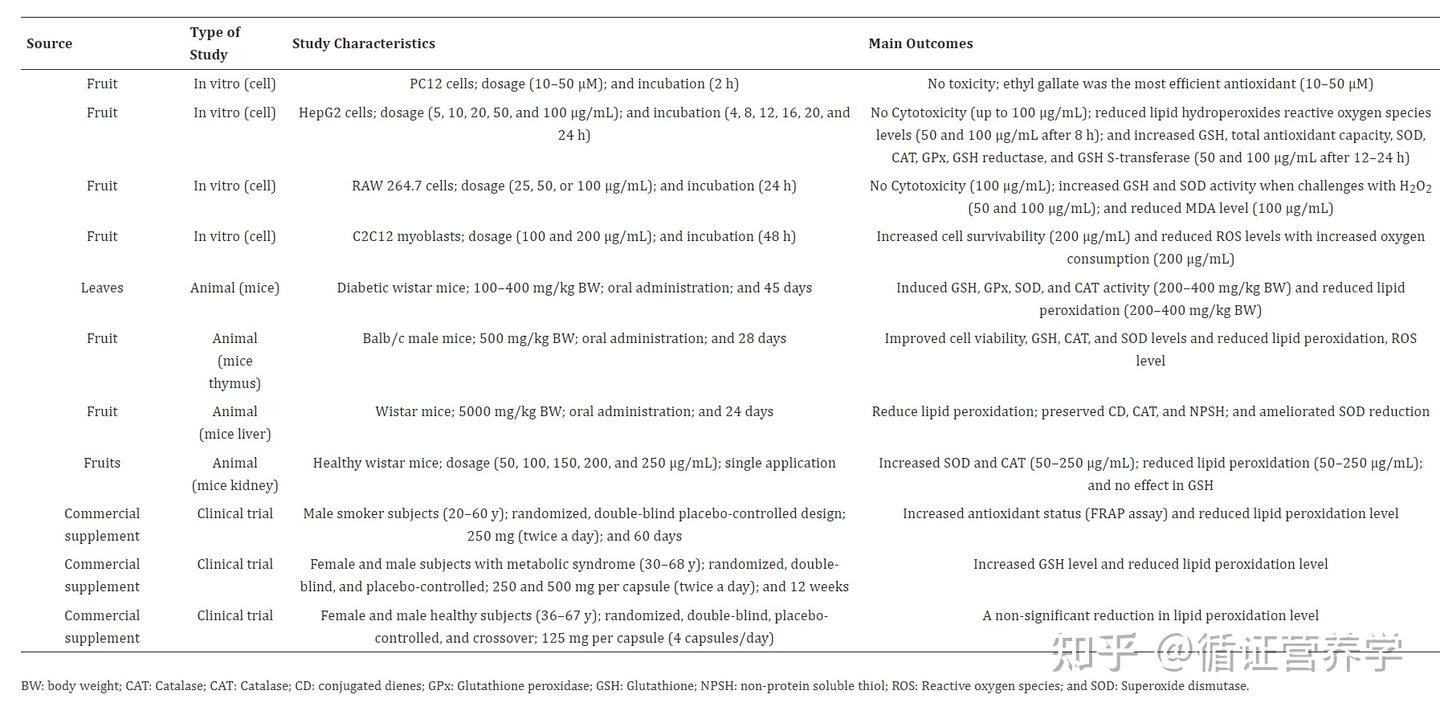
A recent experiment showed that a higher concentration (200 μ g/mL) of extract is needed to reduce reactive oxygen species levels and improve their survival rate in myoblasts. 【Yamamoto H., Morino K., Mengistu L., Ishibashi T., Kiriyama K., Ikami T., Maegawa H. Amla Enhances Mitochondrial Spare Respiratory Capacity by Increasing Mitochondrial Biogenesis and Antioxidant Systems in a Murine Skeletal Muscle Cell Line.Oxid. Med. Cell. Longev】
One for type 2 diabetes< svg width="10px" height="10px" viewbox="0 0 16 16" class="ZDI ZDI--FourPointedStar16 css-1dvsrp" fill="currentColor"></svg> The randomized crossover clinical trial of patients showed that the extract of Polygonatum sibiricum fruit (500 mg/day; containing pomegranate glucoside, Polygonatum sibiricum glycoside-A, Polygonatum sibiricum glycoside-B, and black pepper glycoside) reduced platelet aggregation in both single and repeated dosing regimens. [Fatima N., Pingali U., Muralidhar N. Study the pharmacodynamic interaction of Phyllanthus emblica extract with clopidogrel and ecosprin in patients with type II diabetes]
2. Heart protection and blood lipids
Hyperlipidemia< svg width="10px" height="10px" viewbox="0 0 16 16" class="ZDI ZDI--FourPointedStar16 css-1dvsrp" fill="currentColor"></svg> It is one of the main causes of cardiovascular disease, but the bioactive compounds of Polygonatum sibiricum may help control this disease. Different studies have shown that Polygonatum sibiricum and/or its components have a protective effect on cardiovascular disease. An example is the study conducted by Nambiar and Shetty on the effect of blackcurrant juice (mainly polyphenols such as myricetin, gallic acid, and kaempferol) on the oxidation of low-density lipoprotein (LDL). According to the author, the absorption of LDL oxidation by macrophages was restricted, resulting in a 90% reduction in LDL cholesterol oxidation. Another study showed that blackcurrant polyphenols (naringenin A and B, pomegranate glycosides, and flower stem glycosides) limited the formation of fibrosis in cardiovascular tissues of ischemic and reperfusion mice.
Madan et al. tested the effect of supplementing with Polygonatum sibiricum on sugar beet offspring and observed a decrease in LDL, cholesterol, and blood glucose levels in the non supplemented group. Another experiment showed that the extract of water alcohol residue from Ganzi reduced arterial mean blood pressure and serum sodium levels, and helped to increase potassium levels in hypertensive mice induced by deoxycorticosterone acetate. This study also suggests that Yuganzi can regulate the endogenous antioxidant system eNOS、 Activation of serum nitric oxide (NO) and serum electrolyte levels.
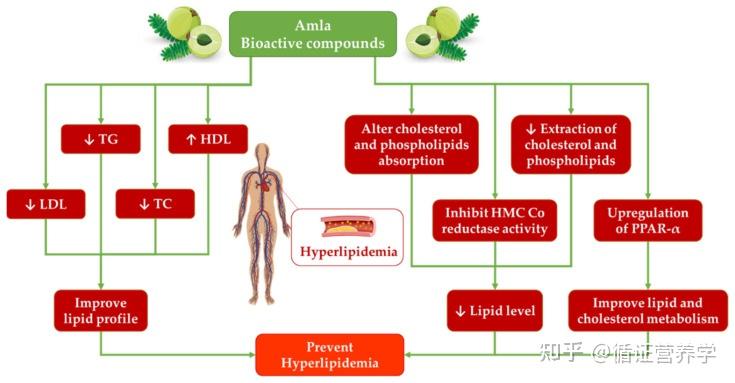
The extract of Polygonatum sibiricum, rich in polyphenols, can alleviate metabolic changes caused by excessive fructose intake in animal models, including changes in triglyceride total cholesterol levels and expression of sterol regulatory element binding protein 1 (SREBP-1). Yuganzi (containing gallic acid, gallic acid, coumarin acid, tannic acid, and coumarin) can reduce or even inhibit the enhanced expression of mitochondrial COX-2, MDA, and Bax in the liver, and regulate Bcl-2 expression, but the expression of peroxisome proliferator activated receptor - α (PPAR α) and SREBP-2 is not affected. In another experiment, the polyphenol rich extract of Polygonatum sibiricum L. also increased the expression of PPAR α protein (involved in regulating cholesterol and lipid metabolism) and reduced cholesterol levels in mice. Similarly, a related study showed that drinking blackcurrant juice (2 mL/kg/day; PPAR α and carnitine palmitoyltransferase (involved in lipid oxidation) were activated in mice rich in gallic acid. Another interesting result of this study is that the activity of liver enzymes involved in fat production is reduced (malate synthase, fatty acid synthase, and glucose-6-phosphate dehydrogenase). However, another study on mice fed a high-fat diet (30%) showed that P. emblicaL. ethanol extract reduced serum triglycerides, but no effect was observed on serum levels of LDL, very low-density lipoprotein (VLDL), or high-density lipoprotein (HDL). The anti hyperlipidemia and cardioprotective potential of blackcurrant is reflected in Figure 2
At the human level, taking 500 milligrams of Ganzi extract (twice daily) for three consecutive months can reduce the levels of high-sensitivity C-reactive protein (CRP), total cholesterol, and LDL in subjects with grade I obesity. Gopa et al. studied the efficacy of gooseberry fruit capsules (500 mg/capsule; once daily, for 42 consecutive days) and reported a significant decrease in blood lipid levels in subjects with hyperlipidemia. According to these authors, significant reductions in total cholesterol, LDL, and VLDL levels were observed at the end of the experimental period, as well as a significant increase in serum HDL levels. In addition, different studies have shown that the fruit and extract of Polygonatum sibiricum L. can reduce VLDL, cholesterol, and LDL levels in patients with hyperlipidemia and healthy individuals. After 2-6 months of administration, the extract can reduce the level of CRP, an important inflammatory marker, thereby improving HDL level and preventing atherosclerosis.
Bheemshetty S. Patil、1Pallavi S. Kanthe等人(2019)A study
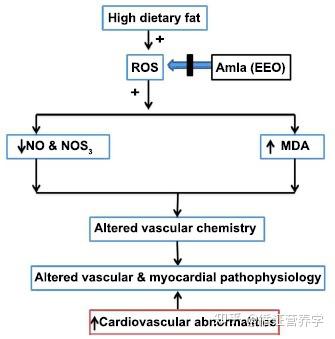
Amla can improve cardiovascular pathophysiological changes caused by high-fat diet
Supplementing with ethanol extract of Polygonatum sibiricum (EEO) is beneficial for the vascular function and structural changes caused by high-fat diet. This is mainly because Yuganzi contains many biological compounds, such as tannins, gallic acid, flavonoids, etc. Has medicinal value. Polyphenols and flavonoids in EEO may exert protective effects through various mechanisms such as antioxidant activity. EEO may have a cardioprotective effect on high-fat fed rats by regulating cardiac function. Supplementing EEO as an antioxidant can improve fat induced oxidative stress in metabolically active tissues, thereby further protecting cardiovascular health. The possible mechanism of support is shown in the figure.
3. Anti diabetes activity
Clinical trials have also confirmed the health benefits of Phytochemicals from Phyllanthus emblica on patients with diabetes. For example, after 21 days of the trial, daily intake of up to 3 grams of Phyllanthus emblica powder extract can reduce the blood sugar level of patients with diabetes. Walia et al. reported similar results. They observed that the blood sugar of diabetes patients decreased significantly after taking 10 grams of emblica powder once a day for 90 consecutive days. In addition, the flavonoid rich Phyllanthus emblica extract can also reduce the risk of neuropathy in patients with diabetes. Phyllanthus emblica bioactive compounds seem to play a key role in the management of diabetes, especially helping to restore blood sugar and insulin levels.
4. Digestive tract protection
Huang et al. reported in a study that the phytochemicals of Polygonatum sibiricum have the potential to protect the liver. The subject of this study is mice with non-alcoholic fatty liver disease induced by a high-fat diet. According to the author, the liver adiponectin activity and PPAR - α expression were significantly improved in animals treated with extracts of Fructus Phyllanthus, thereby improving steatosis. In another experiment, the use of Polygonatum sibiricum (200 mg/100 g; rich in tannins and gallic acid) in L-arginine induced pancreatitis in mice reduced blood concentrations of lipase and IL-10. This study also found that animals in the Yuganzi group had more suitable nucleic acid content, pancreatic protein, DNA synthesis rate, and pancreatic amylase levels. Histological examination showed a significantly higher proportion of smooth cells and lower inflammation scores. Similarly, methanol extracts of Yuganzi fruit (100 and 200 mg/kg) alleviated histological changes in the colon of mice with acetic acid-induced colitis.
The report states that consuming blackcurrant has another interesting potential health benefit for patients with gastroesophageal reflux disease. Compared with the placebo group, patients taking blackcurrant extract (500 mg/tablet, twice daily) had a reduced severity and frequency of reflux and heartburn. The above experiment supports that consuming chemical substances from blackcurrant plants, especially polyphenols, can protect organs involved in digestion. Furthermore, there seems to be reason to suggest that modern medicine provides partial support for traditional medical practice through blackcurrant.
Online hours: 9:00-17:30
Building 3, High tech Entrepreneurship Service Center, No. 82 Huayuan West Road, Chuzhou City, Anhui Province

Technical Consulting

Customer Service Inquiry
COPYRIGHT © Anhui Cranberry Hea-Tech Co.,Ltd. ALL RIGHTS RESERVED
Power By:Mingtu Network
address:Building 3, High tech Entrepreneurship Service Center, No. 82 Huayuan West Road, Chuzhou City, Anhui Province
mailbox:sales@ffingredients.cn